There is a quiet magic in the way the body stirs when we move—not with force, but with intention. The world hums with a relentless pace, urging us to push harder, go faster, and do more. Yet, somewhere between the chaos and the stillness, there exists a softer rhythm: the whisper of breath syncing with motion, the subtle stretch of muscles awakening, the unhurried cadence of a walk that feels less like exercise and more like a homecoming. This is the essence of movement & energy in its purest form—gentle, mindful, and deeply nourishing.
We often mistake intensity for effectiveness, believing that only sweat-drenched workouts or grueling routines can yield results. But what if the most transformative shifts begin not with exhaustion, but with presence? What if the key to vitality lies in the art of listening—to the body’s quiet cues, to the ebb and flow of energy, to the spaces between effort and ease?
The Poetry of Light Workouts: Why Less Can Be More
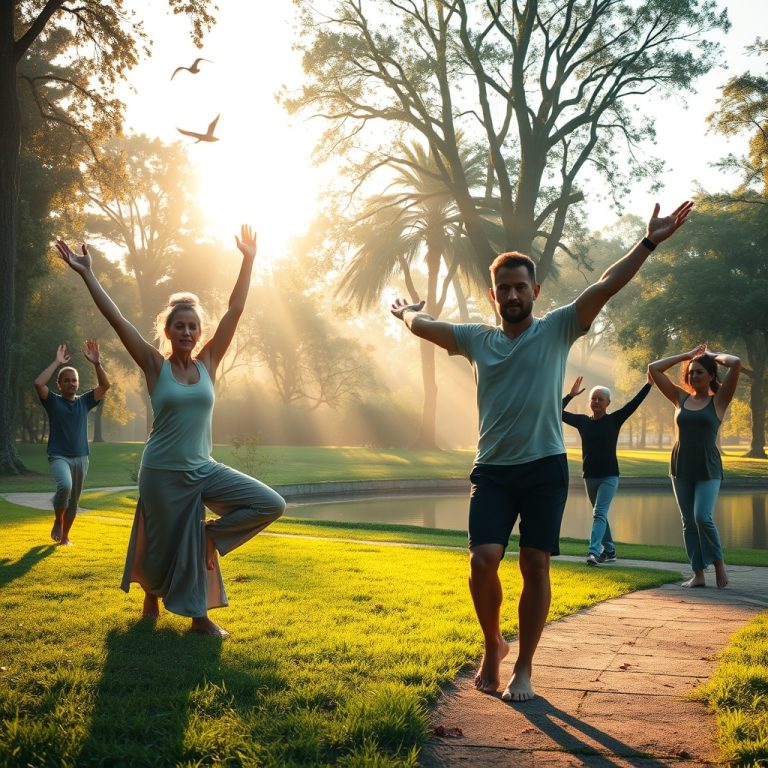
Light workouts are not a compromise; they are a celebration of what the body can do without strain. A sunrise yoga flow that unfolds like a slow dance, a midday walk that doubles as meditation, or a series of mobility drills that feel more like play than practice—these are the rituals that remind us movement is not punishment, but a gift. They teach us that strength is not always loud, and progress is not always measured in reps or miles.
Science backs this intuition. Studies show that consistent, low-intensity movement—such as leisurely walks or restorative yoga—can improve circulation, enhance mood, and even boost cognitive function. The body thrives on rhythm, not just rigor. When we move with awareness, we tap into a wellspring of energy that no caffeine or quick fix could ever replicate. It’s the difference between running on empty and gliding on the current of your own vitality.
Yoga Flows: Where Breath Meets Grace
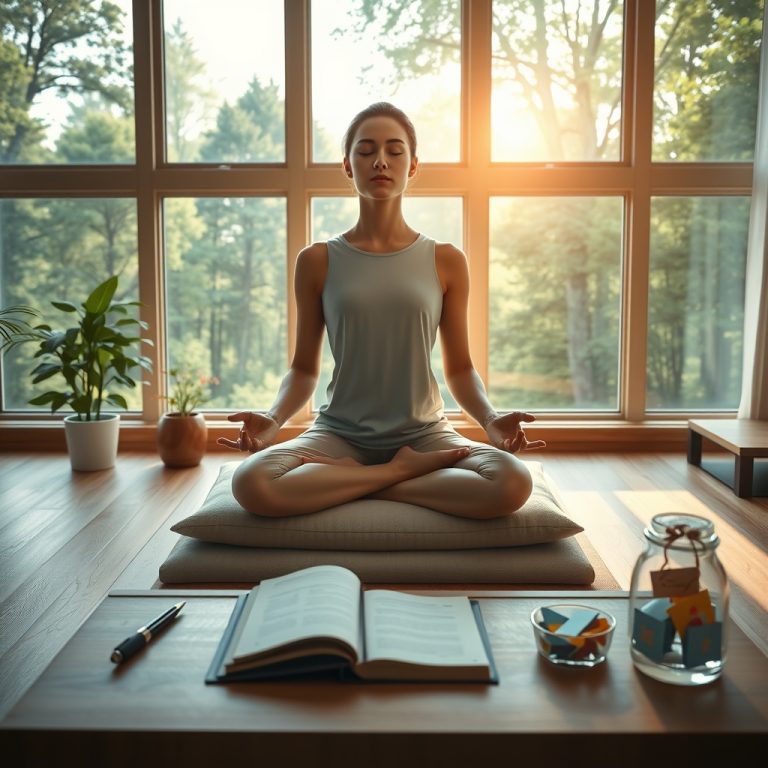
There is a reason yoga has endured for millennia: it is a practice of union—body, mind, and breath intertwined. A well-crafted yoga flow doesn’t demand perfection; it invites exploration. The gentle arch of a cat-cow stretch, the grounding weight of a downward dog, the quiet surrender of child’s pose—each movement is a conversation with the self. Here, energy is not forced; it is channeled, like water carving a path through stone.
For those who crave structure, sequences like the Moon Salutation or Yin Yoga offer a slower, more introspective alternative to high-energy vinyasa. These flows honor the body’s need for restoration, making them ideal for mornings when the world feels too loud or evenings when the weight of the day lingers. The beauty of yoga lies in its adaptability—it meets you where you are, whether that’s on a mat in a sunlit studio or a quiet corner of your living room.
The Alchemy of Walks: How Steps Become Soul Medicine
Walking is the most underrated form of movement, yet it is one of the most profound. A walk is not just a physical act; it is a pilgrimage. With each step, the mind unwinds, the heart lightens, and the world expands. There is a reason philosophers, poets, and thinkers throughout history have turned to walking as a source of inspiration—it is where clarity is born.
But not all walks are created equal. A mindful walk—one where you engage the senses, sync your breath with your stride, and let go of the need to arrive—becomes a moving meditation. Try this: leave your phone behind, choose a path lined with trees or water, and let your pace be guided by curiosity rather than destination. Notice the way the air feels against your skin, the sound of leaves rustling, the way your thoughts begin to soften like clouds parting after a storm.
For those who crave variety, walking can be elevated with simple additions: a weighted vest for gentle resistance, intervals of brisk pacing followed by slow strolls, or even a walking journal where you pause to jot down observations. The goal is not to burn calories, but to reconnect—to yourself, to the earth beneath your feet, to the quiet voice within that often gets drowned out by noise.
Mobility Drills: The Unsung Heroes of Fluid Movement
Mobility is the silent foundation of all movement. Without it, even the simplest tasks—reaching for a high shelf, bending to tie a shoelace, or turning to glance over your shoulder—become labors. Yet, in our rush to build strength or endurance, we often neglect this crucial aspect of fitness. Mobility drills are the antidote: small, intentional movements that lubricate the joints, awaken dormant muscles, and restore the body’s natural range of motion.
Unlike static stretching, which holds a position, mobility drills are dynamic. They mimic the way the body moves in real life—twisting, reaching, bending, and flowing. A few minutes of hip circles, shoulder CARs (Controlled Articular Rotations), or spinal waves can make the difference between stiffness and fluidity. Think of them as the body’s daily oil change, keeping everything running smoothly.
The best part? Mobility work doesn’t require a gym or equipment. A few square feet of space and a willingness to slow down are all you need. Incorporate these drills into your morning routine, or use them as a warm-up before a workout. Over time, you’ll notice a shift—not just in how your body moves, but in how it feels. Lighter. Freer. More alive.
Weaving Movement & Energy Into the Fabric of Daily Life
The true power of light workouts lies in their sustainability. They are not trends to be followed for a season, but practices to be woven into the fabric of daily life. The key is to start small—so small that resistance melts away. Five minutes of stretching while the coffee brews. A 10-minute walk after lunch. A single yoga pose held for three slow breaths before bed. These micro-moments add up, not just in physical benefits, but in the way they shape our relationship with movement itself.
When we approach exercise with curiosity rather than obligation, something shifts. The body becomes a landscape to explore, not a machine to optimize. Energy is no longer something to be depleted and replenished, but a current to be harnessed and directed. And perhaps most importantly, movement stops being a task on a to-do list and starts being a language—the body’s way of speaking to the soul.
So the next time you feel the pull to move, resist the urge to default to intensity. Instead, ask yourself: What does my body need today? Maybe it’s the slow unfurling of a yoga flow, the rhythmic cadence of a walk, or the playful exploration of mobility drills. Maybe it’s all three, or something else entirely. Trust that the answer is already within you, waiting to be heard. And when you listen, you’ll find that the most powerful transformations often begin not with a leap, but with a single, mindful step.
About the Author